

RUC Lecture: Understanding the Peace You Need
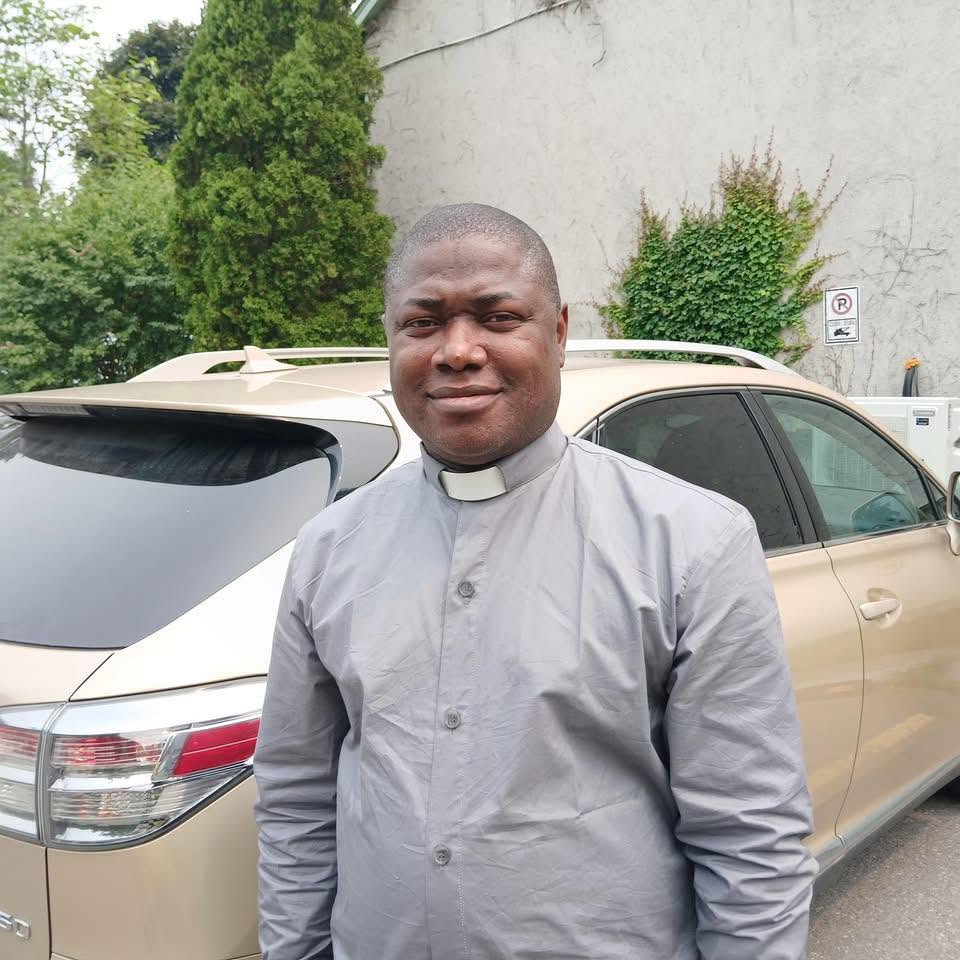
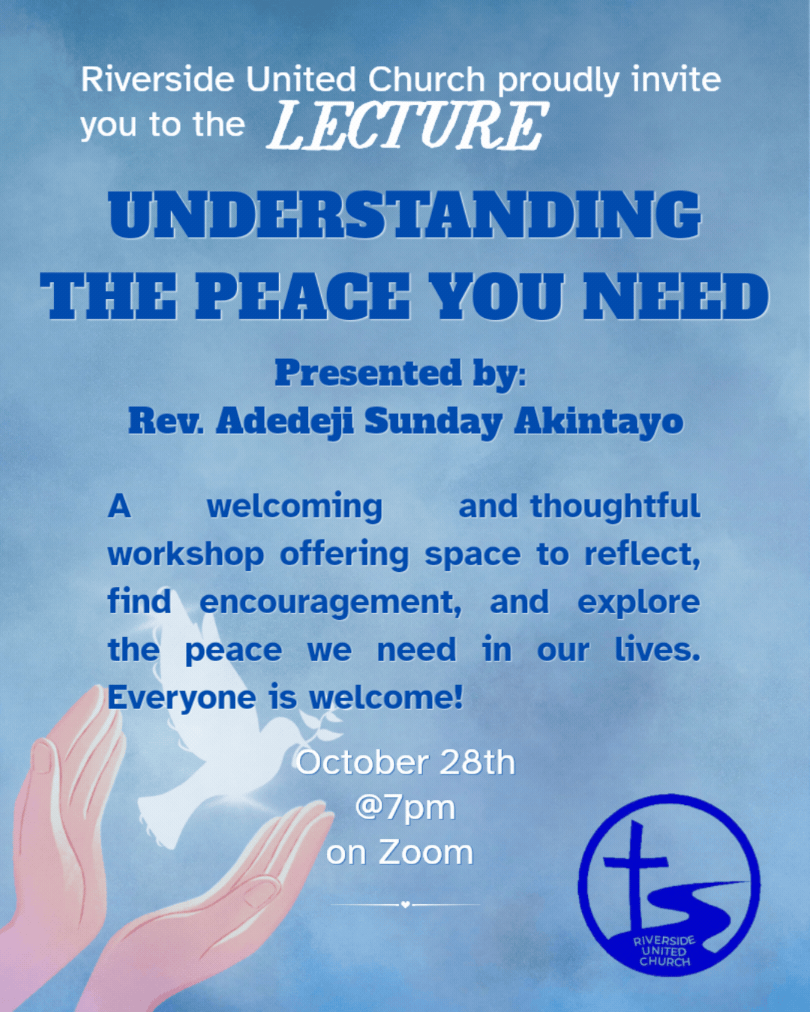
On October 28th, Rev. Adedeji Sunday Akintayo has presented an online Lecture. It was meaningful and very beautiful. Here is a summary of it:
Peace is more than the absence of conflict. It is a gift from God, a way of life, and a responsibility we carry into every relationship, community, and institution we touch.
At the heart of peace is peace with
God. When a person is grounded in faith and trusts God, they are better able to face uncertainty, suffering, and the pressures of life without being overwhelmed. This inner stability becomes the foundation for peace with self and peace with others.
Peace with self means learning self-acceptance, gratitude, forgiveness, and emotional discipline. It means managing fear, anger, and worry instead of allowing them to control us. A peaceful life begins when the heart is settled.
Peace with neighbors and family requires kindness, tolerance, respect, understanding, dialogue, and forgiveness. Families, in particular, need peace because unresolved pain, bitterness, and grudges can destroy relationships for years. True peace in the home is built through patience, communication, and the willingness to forgive even when it is difficult.
Peace also extends beyond personal relationships. It should shape how people treat those of different religions and backgrounds. Christianity, Islam, Judaism, Hinduism, Buddhism, and other faiths should not be sources of hostility. Religion should promote coexistence, mutual respect, and shared humanity.
The reverend also emphasized peace in the church. The church should be a place of welcome, love, hospitality, and unity—not gossip, rivalry, backbiting, or division. If the church cannot model peace, it cannot credibly speak about peace to the world.
Another key point was peace with the environment. Care for creation is part of peaceful living. Environmental destruction leads to hardship, scarcity, and conflict. Respecting the environment is therefore also a way of protecting human peace.
Peace must also be visible in justice and governance. A peaceful society depends on accountability, fairness, compassion, and protection of the vulnerable. Leaders who ignore the poor or fail to act justly weaken social peace. Citizens, too, have a role through lawful participation, respect for rights, and the pursuit of accountability.
The message also pointed to peace in suffering and in old age. Peace is not only for good times; it sustains people through uncertainty, aging, and even death. Christian hope includes the promise of eternal life, so believers are called to live—and die—in peace.
Scripture gives the clearest picture of this peace. Christ offers a peace the world cannot give. It is a peace that protects the heart, guides the mind, and remains steady even when life is unstable. Those who seek this peace must guard their hearts, practice forgiveness, and become peacemakers in daily life.
Ultimately, peace is both God’s gift and our duty. We receive it from God, then give it to others through our words, actions, and choices. To seek the peace we need, we must live peace, speak peace, and spread peace everywhere we go.
Comments